Education
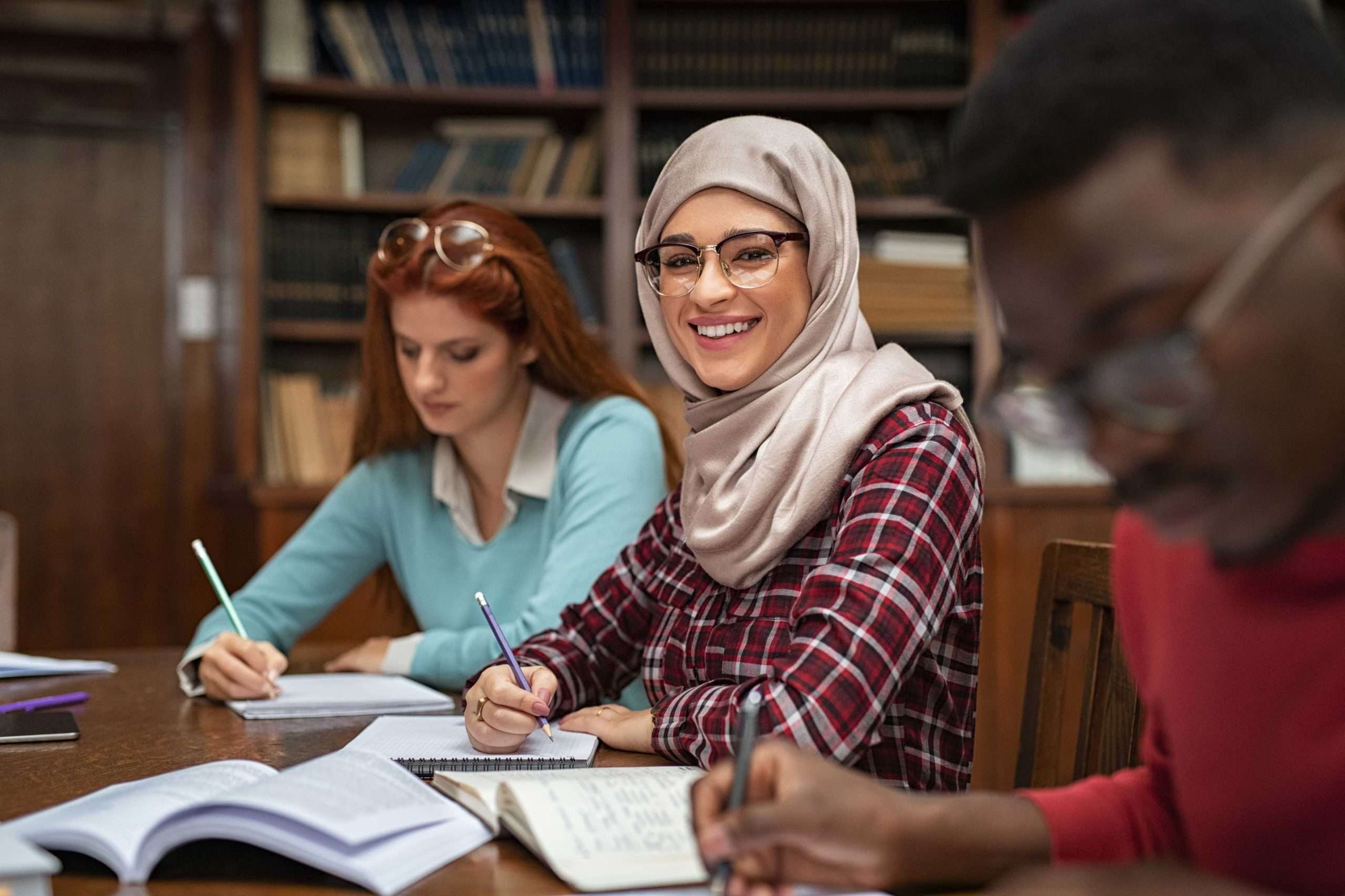
Pakistan has one of the lowest literacy rates in the world and the second-largest population of children not in school (22.8 million). Article 37 B of the Constitution of Pakistan says, “Remove illiteracy and provide free and compulsory secondary education within a minimum possible period.” The current literacy rate in Pakistan is 62.3″ which indicates that an estimated 60 million Pakistanis are illiterate.
Employment
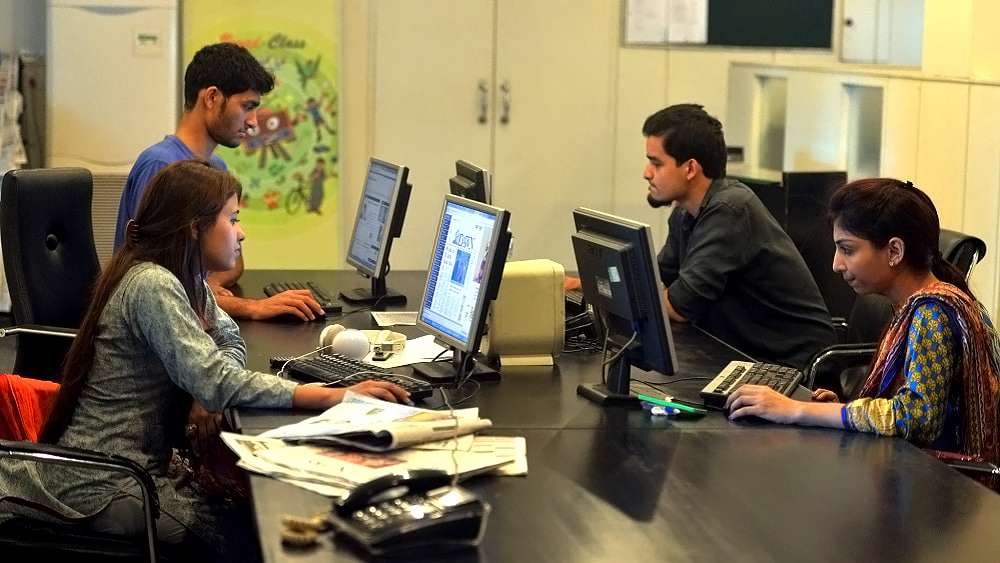
Pakistan possesses the ninth largest labor force globally, with an influx of nearly four million young individuals reaching the age of employment annually. According to the 2022 statistics by the Pakistan Institute of Development Economics, the current unemployment rate among the youth stands at over 31 percent. This demographic comprises of 51 percent females and 16 percent males.
Entrepreneurship
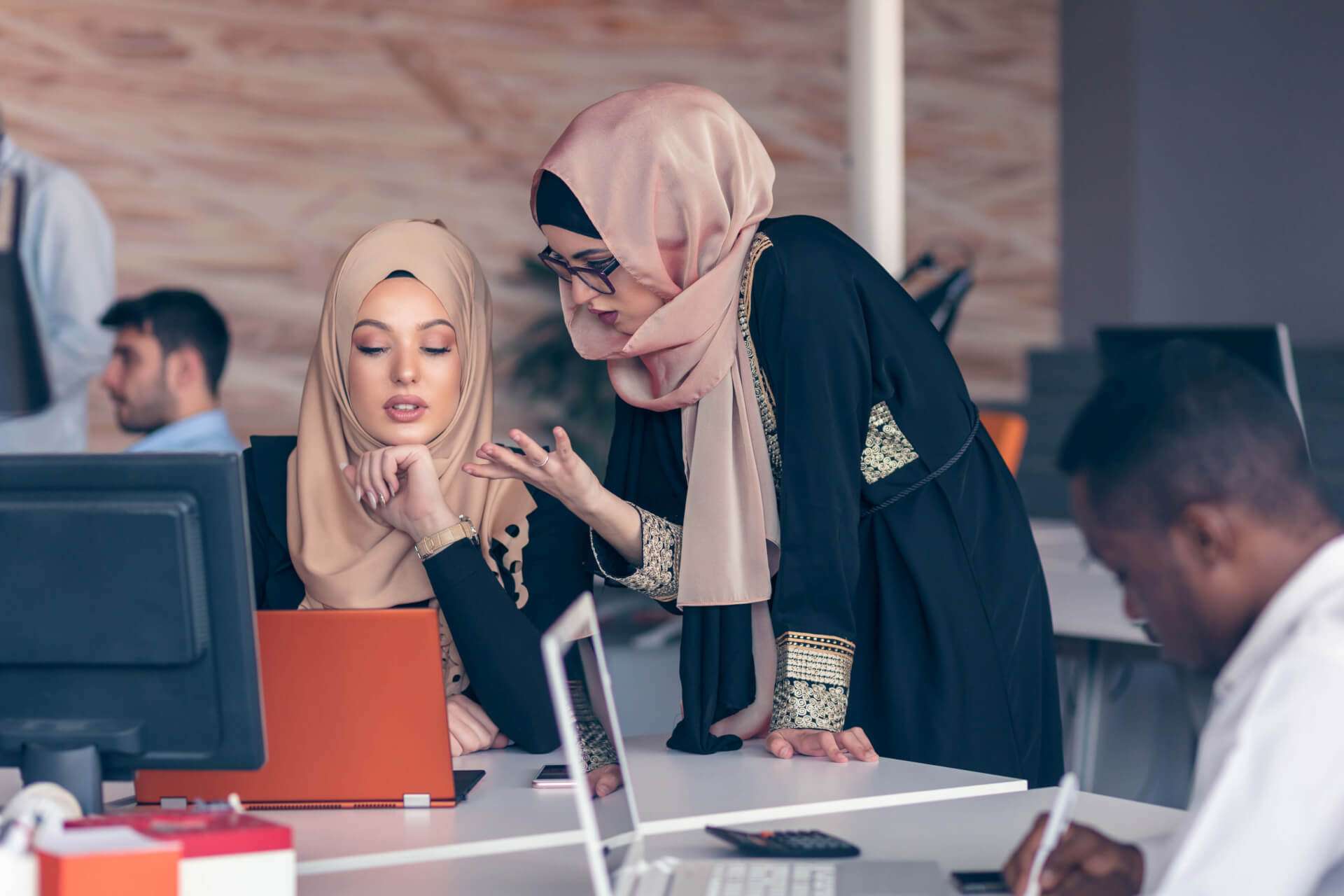
In 2020, when the economy was declining, 77 million dollars were invested in Pakistani startups. After just eight months into 2021, investments in startups surpassed $228 million. The significance of entrepreneurship resides in its capacity to bridge the gap between demand and supply of the job market. Establishing a regulatory framework that is more conducive to the growth of youth entrepreneurship is imperative.

Engagement
UNDP estimates that Pakistan’s young population is one of the largest in history, with 68% of the population under 30 and 27% between the ages of 15 and 29. According to UNICEF, Pakistan ranks poorly on the Youth Progress Index due to social exclusion, limited personal freedom, and limited internet access. This requires youth participation in civic and political life, economic empowerment, and resilience-building roles.
Skills and Training
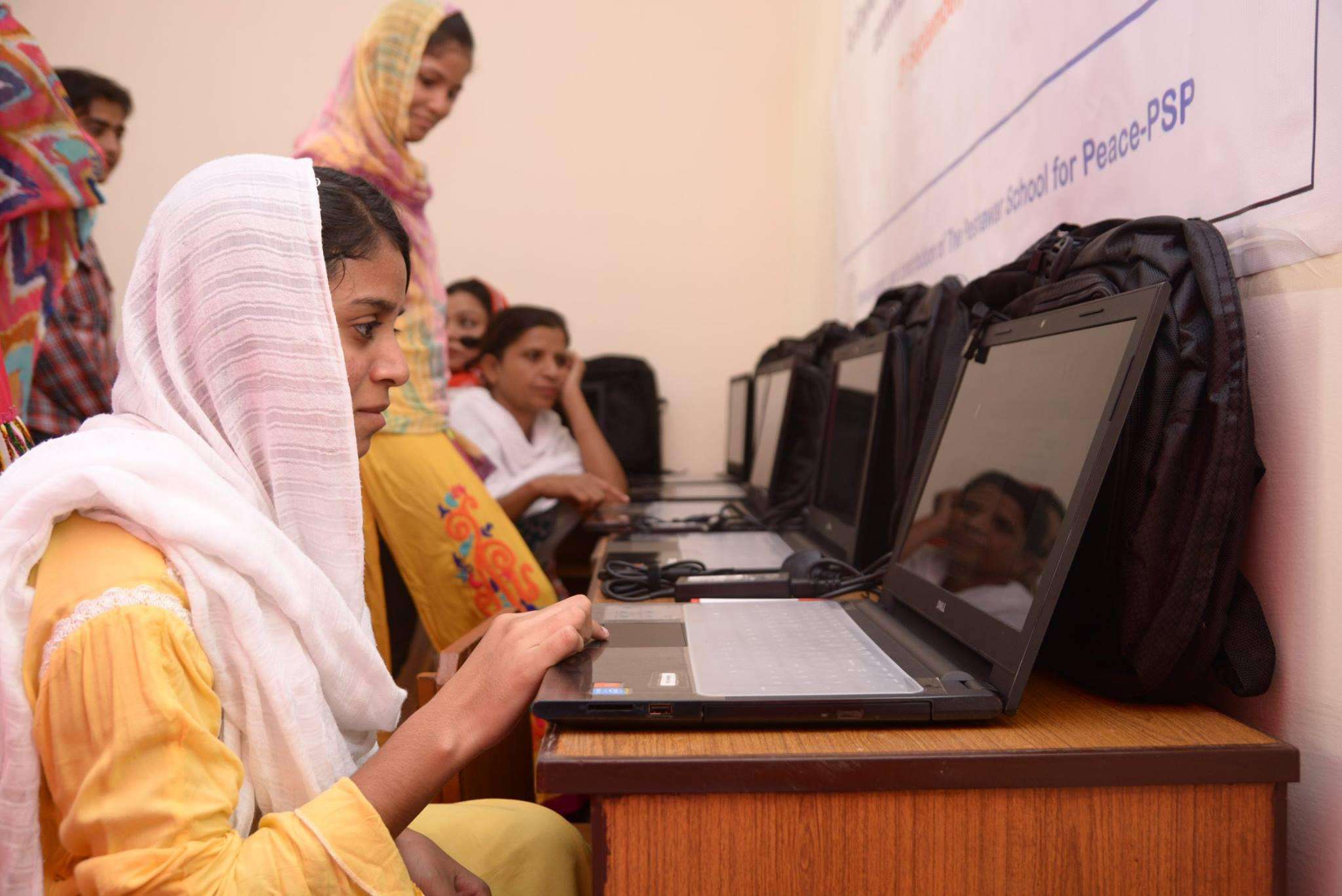
As per the data provided by UNICEF, the current enrollment of students in Technical and Vocational Education and Training (TVET) in Pakistan is 433,000. A population of 18 million young individuals needs to be more engaged in education, employment, or training. The government’s attention towards lifelong learning in skill training needs to be improved. Additionally, focusing on lifelong learning, retraining, and digital skills, TVETA must prioritize 21st-century skills.
Leadership & Decision Making
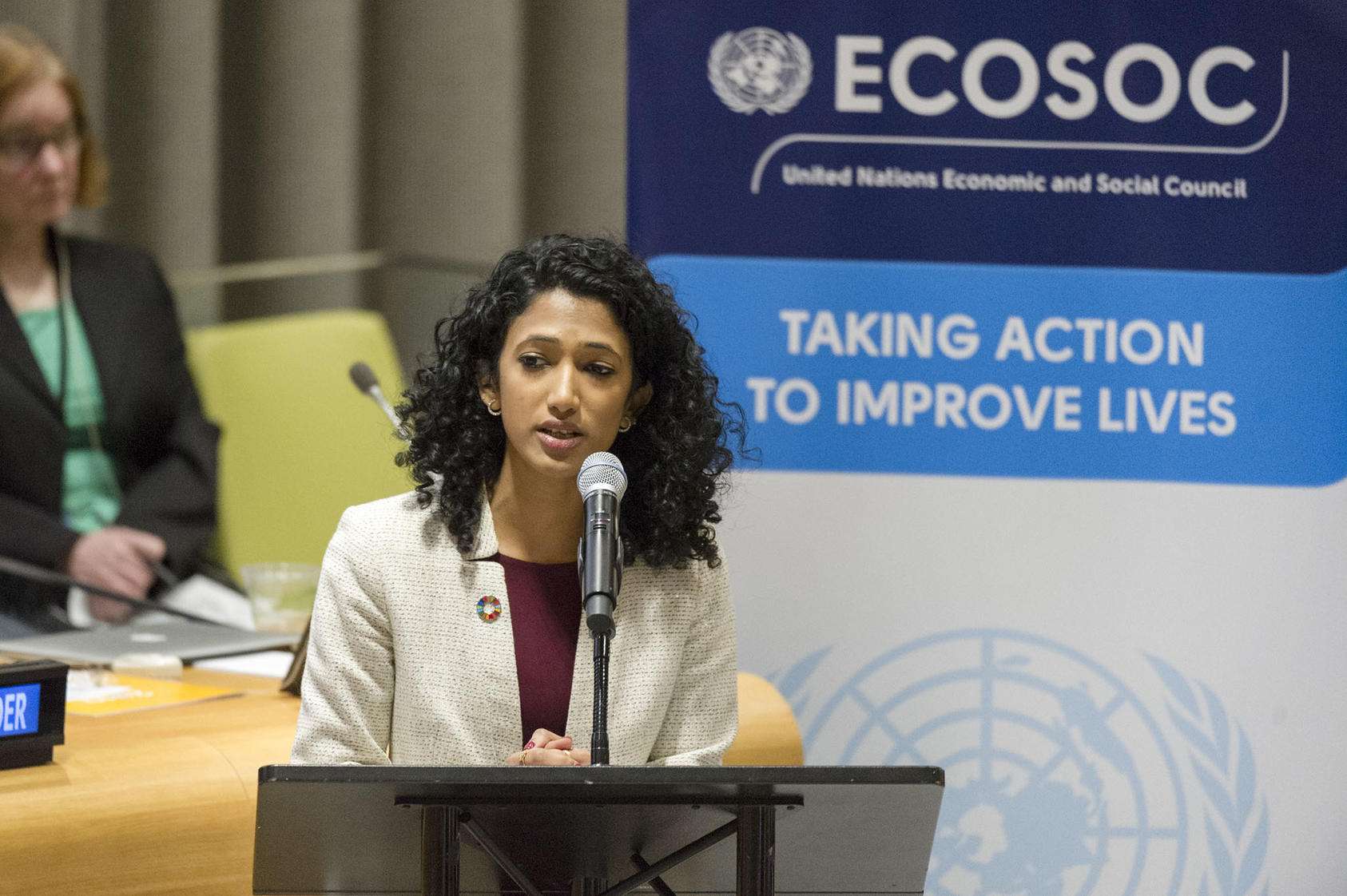
The Youth of Pakistan have a great deal of potential and are as energetic and ardent as the youth of any other nation in the region and beyond. The provincial government delegates authority to the local governments, enabling them to address the requirements of the youth within their respective jurisdictions. Student councils and local governments are also important platforms for youth to become involved at an early age.

Mental & Physical Health
Mental health challenges negatively impact the physical health of the youth in the country. A significant proportion of Pakistan’s population, primarily young individuals, suffer from physical and mental health disorders, exceeding 90 million. Mental health departments exhibit a lack of consideration toward mental illness. Mental health, sexual and reproductive health, and information services must be accessible to young people.