Women in Politics
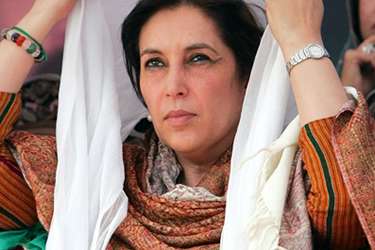
The Constitution and the law of Pakistan protect the political rights of women. The law still needs to be implemented in its true spirit, creating an environment where women are not marginalized in various aspects of political participation. Although their participation is increasing, their presence in political parties as decision-makers is very rare. Women lack financial resources and mentoring, making it harder for them to participate fully in the electoral process like their male counterparts. International and domestic commitments made by the Government of Pakistan necessitate a favorable environment for women’s political participation, both as candidates and voters.
Violence Against Women
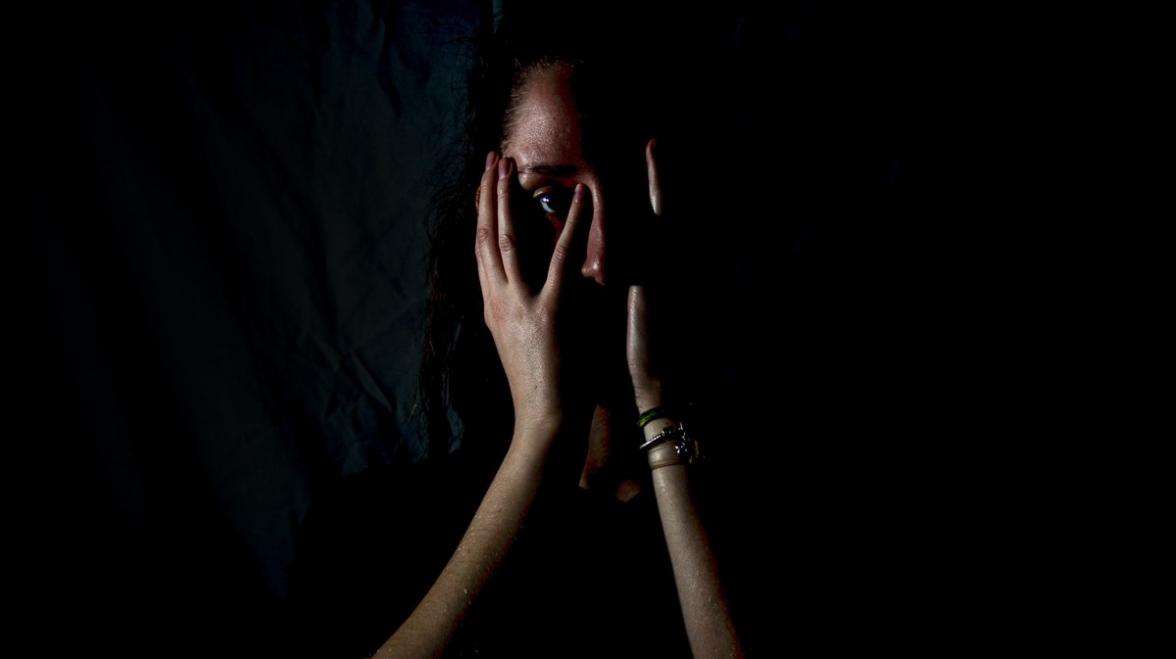
The issue of violence against women (VAW) is a widespread occurrence that transcends social and economic boundaries on a global scale. In Pakistan, incidents of violence against women (VAW) encompass a range of forms, including verbal abuse, physical assault, sexual harassment, coerced and underage marriages, human trafficking, forced prostitution, honor killings, acid attacks, stove burning, and the exchange of girls as a means of resolving tribal conflicts. Women often choose to remain silent about their concerns despite the challenges they face. This is primarily due to their desire to maintain familial relationships and their dependent status, exacerbated by a lack of support systems.
Equal Pay for Equal Work
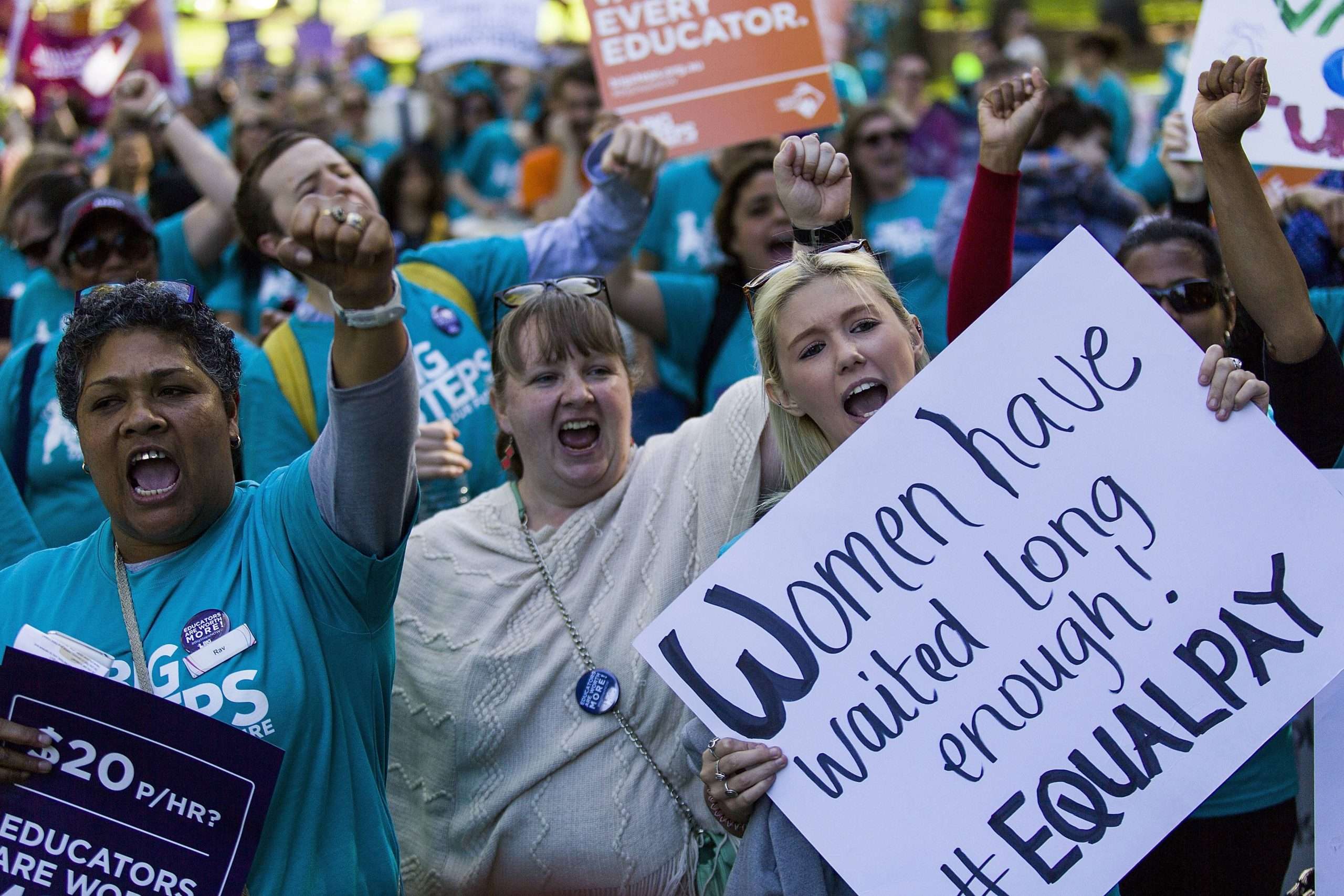
Equal Pay for Equal Work, also known as, pay equality means equal remuneration for equal effort. Although it is a fundamental right enshrined in the International Labor Organization’s Equal Remuneration Convention, 1951 (No. 100), pay equity has mainly remained unattained. Women worldwide continue to face pay discrimination (ILO, 2008). Pakistan ratified the Equal Remuneration Convention in 2001 and the Discrimination (Employment and Occupation) Convention in 1958 (No. 111) in 1961. Pakistan has also ratified the Convention on the Elimination of All Forms of Discrimination against Women (CEDAW), which asserts the right to equal remuneration for work of equal value.
Economic Empowerment
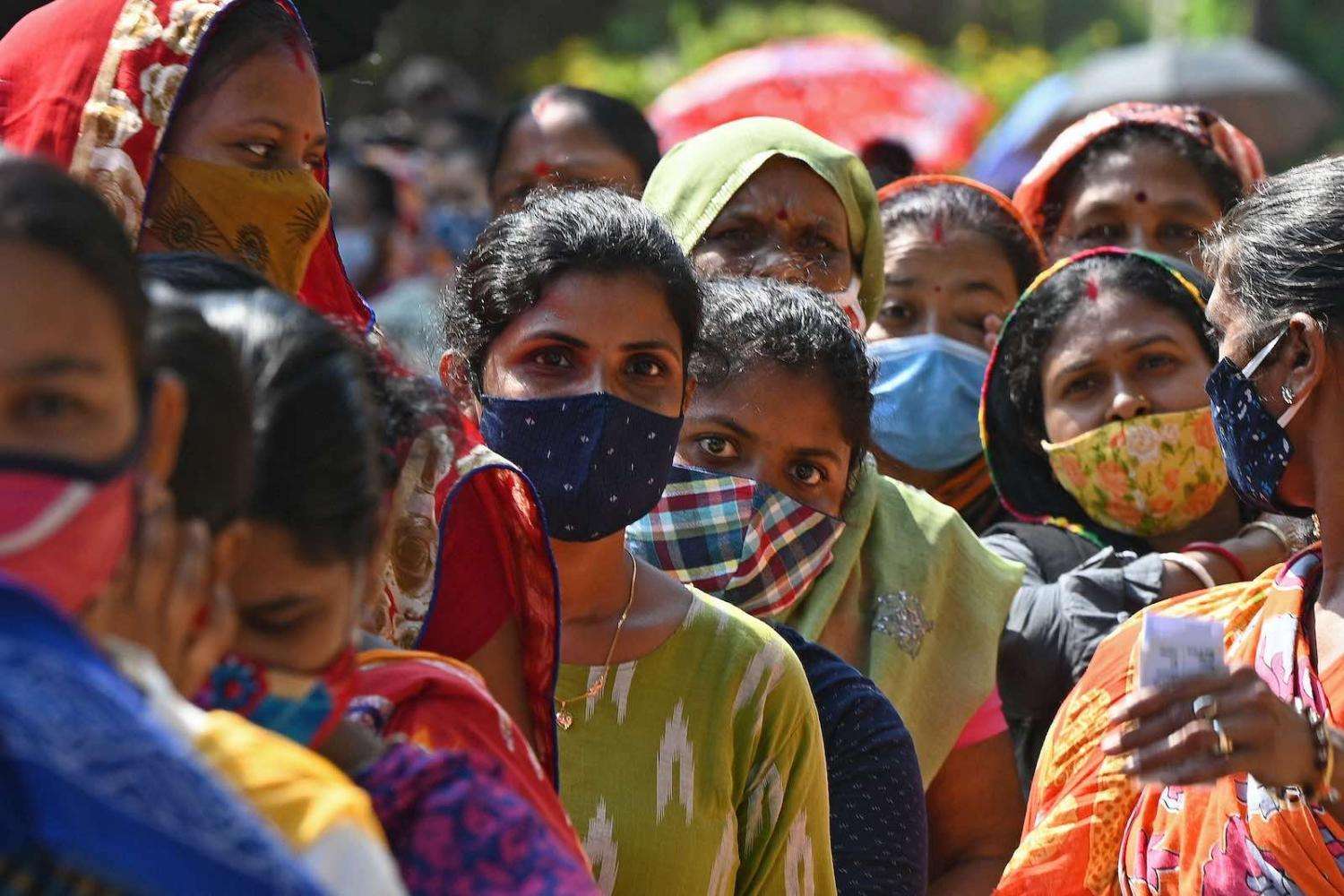
Women’s economic empowerment is crucial to a nation’s development and economy. Pakistan has adopted several critical international commitments to gender equality and women’s human rights, including the Universal Declaration of Human Rights, the Beijing Platform for Action, the Convention on the Elimination of Discrimination Against Women, and the Sustainable Development Goals. However, women are still vulnerable in Pakistan and remain among the lowest in economic empowerment in the world despite all of these initiatives. UN Women says empowering women economically leads to gender equality, poverty eradication, and inclusive economic prosperity.
Gender Stereotypes in Media
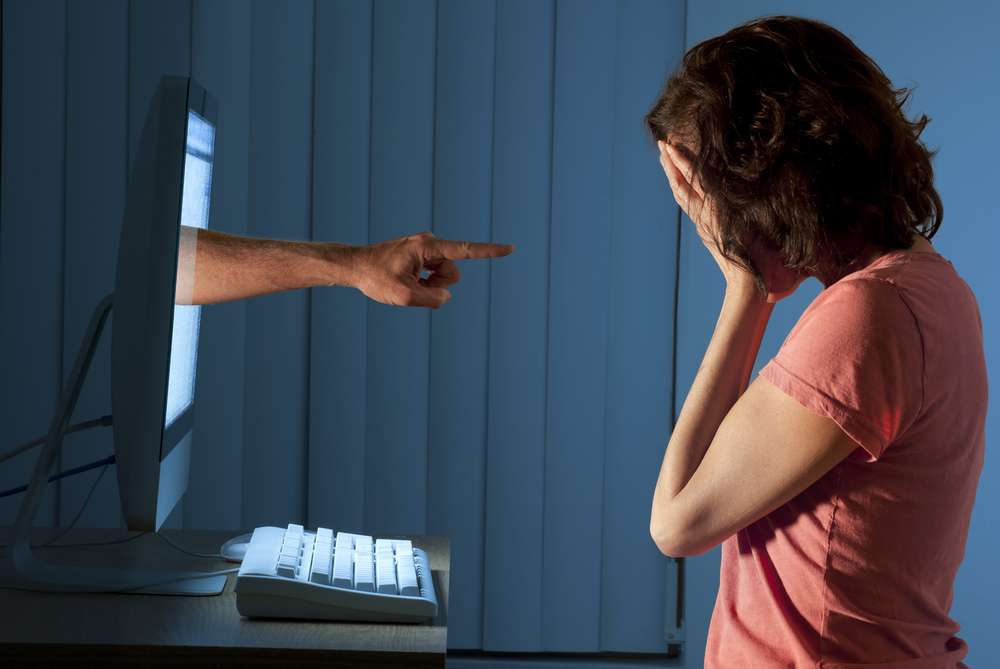
Gender stereotypes are generalizations about the roles of men and women. They ignore that everyone is different and ascribe erroneous and superficial traits to each gender. In other words, stereotypes are assumptions based on gender. For instance, assuming women are not politicians or all men enjoy sports are a stereotype. Entertainment and news media shape how society views women and men. They affect cultural ideas of beauty and the role of women. When women are objectified or victimized, these stereotypes affect their social development. Women are expected to have ideal personalities and bodies. Thus, the media creates unjust gender expectations in society.