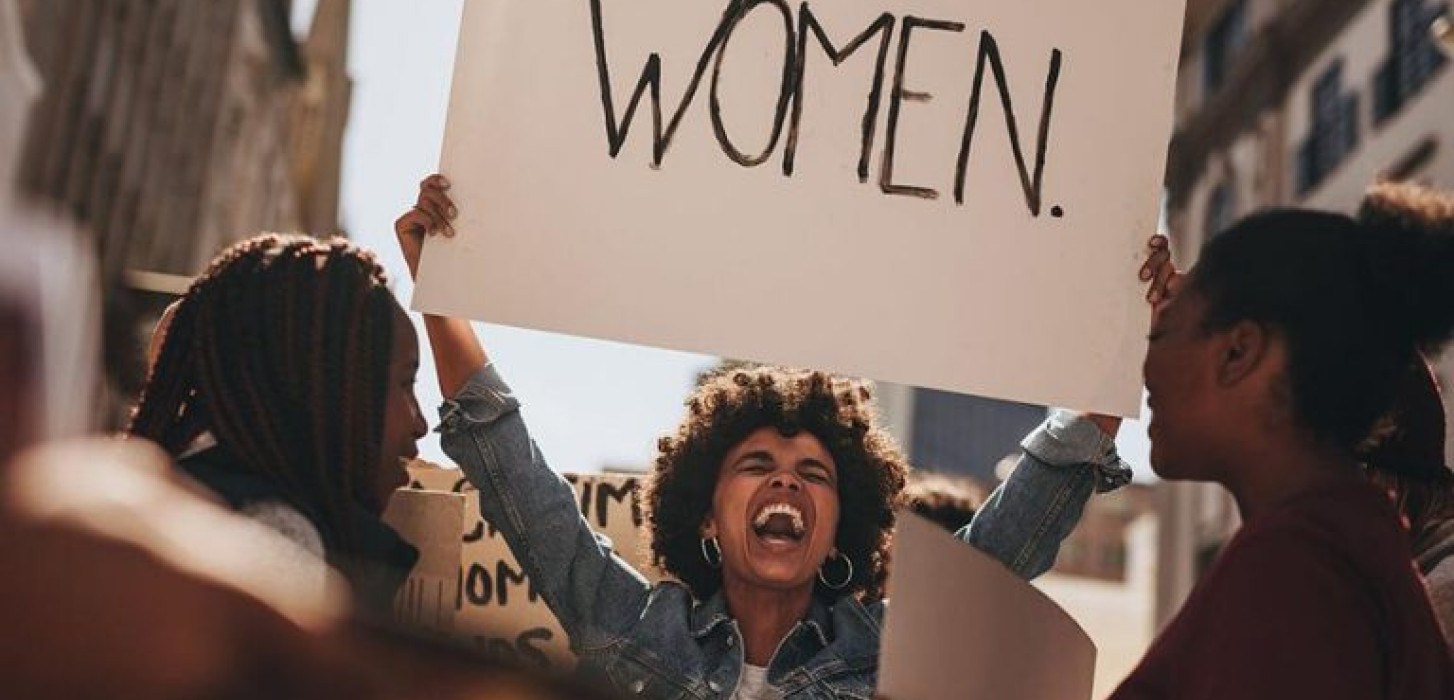
Women’s empowerment in Pakistan is a pivotal issue that demands attention and concerted efforts. It is not merely a social cause but a crucial driver for sustainable development, economic growth, and the creation of a just society. Beyond gender equity, empowering women is the key to unlocking the nation’s full potential. Let’s delve into the current state of women’s empowerment, their challenges, and the initiatives that aim to bridge the existing gaps.
Financial Inclusion and Policies for Women
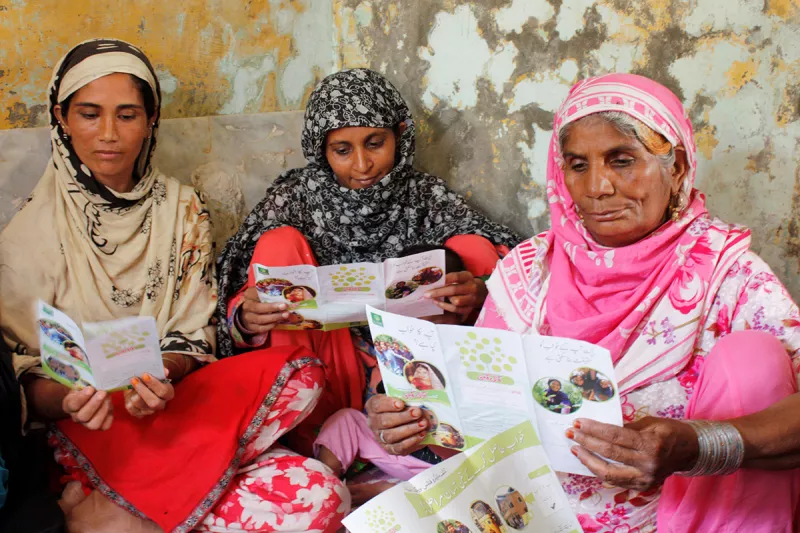
While financial inclusion stands as a critical pillar for empowering women, Pakistan grapples with a substantial gender disparity in this domain. A stark gender gap exists in financial inclusion, with just 7% of adult women being considered financially included, in contrast to 36% of men. Recognizing this disparity, the State Bank of Pakistan has unveiled the “Banking on Equality Policy” as a guiding light. This policy sets an ambitious target of achieving 20 million active women-owned accounts by 2030, signaling a commitment to bridging the financial gender divide and fostering economic empowerment among women.
Employment and Economic Participation
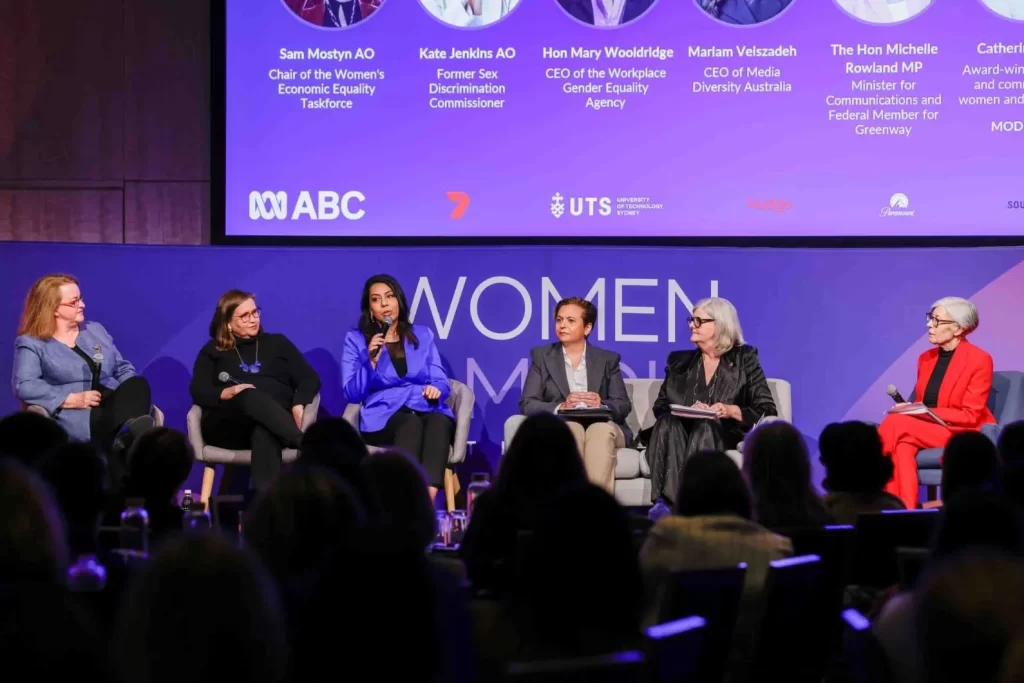
In Pakistan, a significant disparity exists between genders in employment and economic opportunities, as merely 22.6% of women are engaged in the workforce compared to a substantial 84.8% of men. In order to advance gender equality, it is essential to support the active inclusion of women in leadership positions and to advocate for their representation in professional and technical sectors. By cultivating an inclusive workplace environment, we empower women economically and bolster the overall growth and prosperity of the country.
Education and Women's Economic Contribution
Education and skill development play pivotal roles in unleashing the economic potential of women in Pakistan. Women in informal sectors and home-based work drive a substantial portion of the country’s economy. This emphasizes the profound influence that educational and skill-building initiatives can wield in transforming their lives. Investing in education and empowering them with relevant skills is significant to uplift the women of Pakistan and fortify the foundation for a more dynamic and inclusive economic landscape in Pakistan.
Entrepreneurial Culture and Funding
Fostering an entrepreneurial culture among women is imperative for driving economic growth in Pakistan. Despite a mere 1% engagement of women in entrepreneurship, a promising shift is taking place. The landscape is evolving with the emergence of incubators, accelerators, and an upsurge in funding sources, collectively paving the way for women entrepreneurs to flourish. Key initiatives such as Karandaaz, We-Fi, and government-sponsored programs are pivotal in constructing a nurturing ecosystem for women-led businesses. These efforts signify a transformative era where the untapped potential of women in the entrepreneurial sphere is being recognized and actively supported, ushering in a new chapter of empowerment and economic prosperity.
The Way Forward
Bridging the gaps in women’s empowerment in Pakistan requires a holistic approach. From financial inclusion to education and entrepreneurship, each component plays a crucial role in shaping a future where women can fully participate and thrive. By empowering women, we drive economic growth and contribute to the realization of true gender equality. Together, let’s build a future where every woman in Pakistan can unleash her potential and contribute significantly to the nation’s success.
Disclaimer: Any opinions expressed in this blog do not necessarily reflect the opinions of CREDP. This content is meant for informational purposes only.
Leave a Comment
Your email address will not be published. Required fields are marked *